
Site History
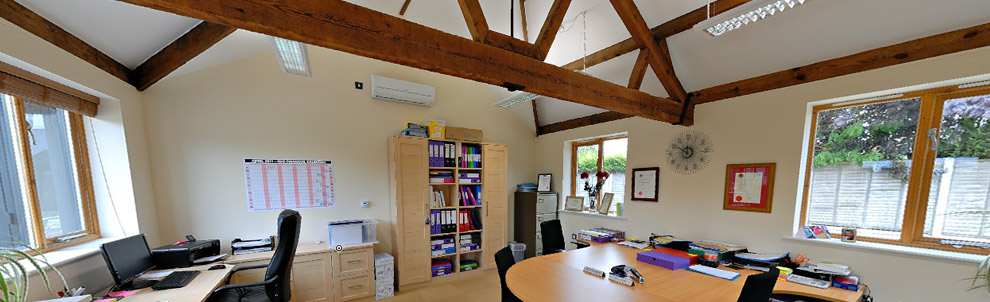
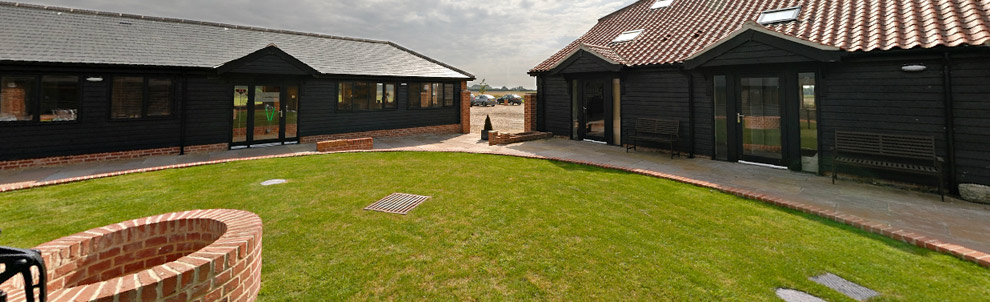
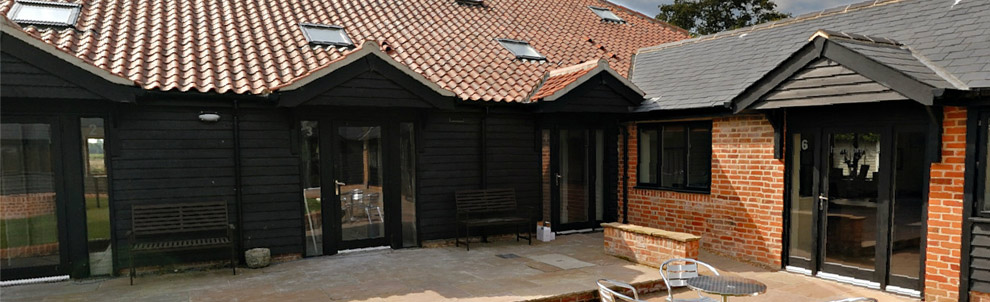
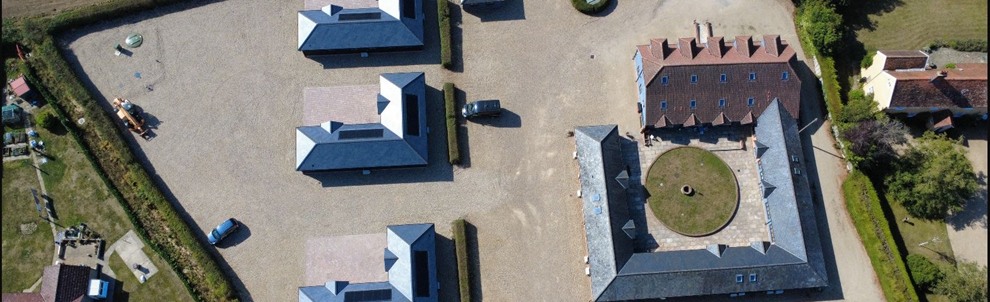
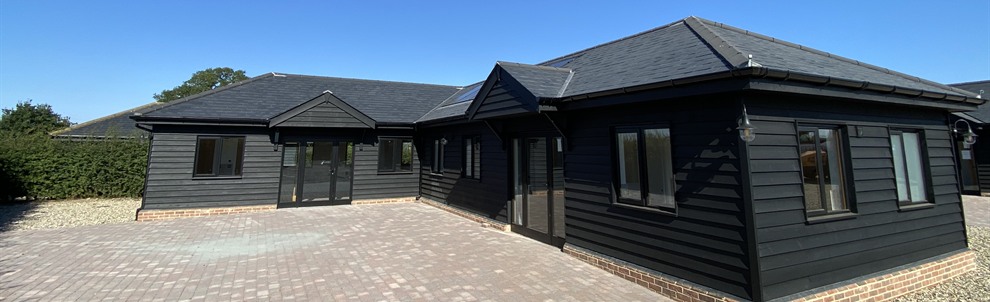
Park Lane Business Centre has evolved from historic agricultural barns into a carefully restored modern business centre.
The site reflects layers of rural, farming and wartime history, all still visible in the buildings and wider landscape today.
1864 barn origins
The two-storey barn dates from 1864, based on timber carving found during the renovation works. It began as a crescent-shaped grain store, with horse and cart entering from the rear to unload before passing out through the front.
World War I
It is thought the single-storey barns were built between 1910 and 1930 to house horses that were reared and prepared for service in France.
1937 farmyard use
By 1937 the barns were in agricultural use for fruit packing, storage and day-to-day farm operations, with orchards planted around the edge of the airfield.
World War II airfield
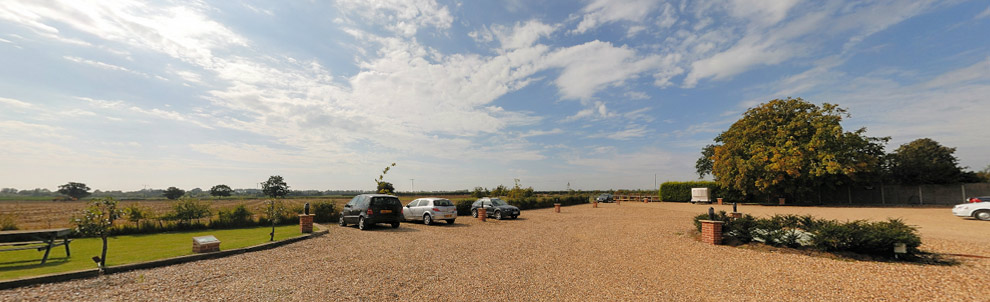
During the war, the fields to the south towards Colchester formed part of Boxted Airfield, used by the American Air Force. Park Lane Farm lies immediately to the right at the top of the northern runway.
Post-war landscape
After the war, the runways were reduced in width and some of the concrete was crushed for use in the development of the A12. A narrow strip of runway remains today, while the surrounding land returned to orchards and later field crops.
Modern day
In 2008, Guy Williamson acquired the site and led a three-year restoration and conversion, creating the business centre while preserving the character of the original barns.
Further history links
Key dates during World War II
- Spring 1942: airfield construction work under way.
- 10 August 1942: Boxted first allocated to the 8th Air Force.
- 17 August 1943: the airfield was bombed by the Luftwaffe.
- 2 November 1943: the 354th Fighter Group moved into Boxted.
- 11 January 1944: Major James Howard's Medal of Honour combat took place.
- 18 April 1944: the 56th Fighter Group moved into Boxted.
- 5 July 1944: Francis Gabreski became leading ace with 28 victories.